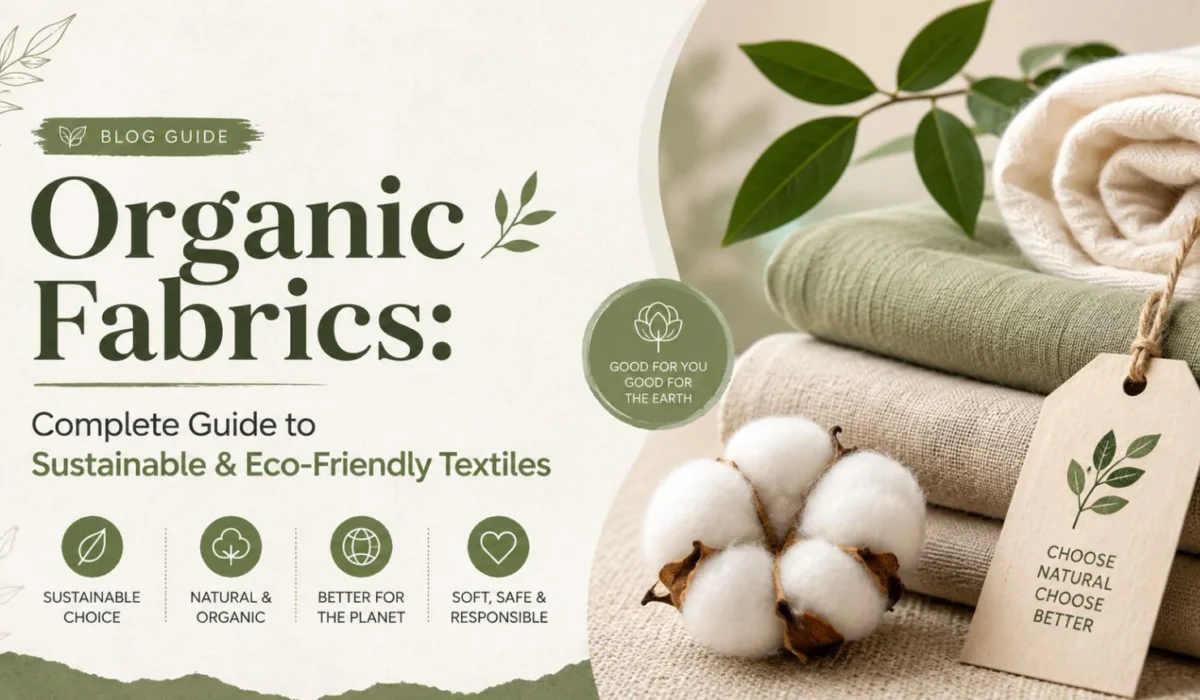
Have you ever checked what your clothes are made of before buying them? Most people pay attention to color, design, price, and comfort, but the fabric itself deserves just as much attention. The materials used to make clothing can have an impact on the environment, farming communities, and the overall quality of the products we wear.
This is one reason organic fabrics are getting more attention in the fashion industry. Many shoppers are becoming interested in clothing made from organically grown fibers, especially organic cotton. These materials offer an alternative to conventional textile production and can support more responsible farming practices.
The benefits of choosing organic fabrics are not limited to environmental concerns. They can also provide comfortable everyday clothing options and encourage people to make more thoughtful fashion purchases. If you want to understand why organic materials are becoming popular, here are ten reasons worth knowing.
1. Make More Environmentally Conscious Choices
One of the main reasons people choose organic fabrics is their connection to more responsible agricultural practices.
Organic farming generally avoids synthetic pesticides and fertilizers that are commonly used in conventional crop production. Instead, farmers follow approved methods to manage crops and maintain soil health.
This can help reduce certain types of chemical pollution and support a healthier agricultural environment. However, the overall environmental impact of a fabric also depends on how it is processed, dyed, transported, and manufactured.
Choosing organic materials is not a complete solution to fashion-related environmental problems, but it can be a positive step toward more informed shopping.
2. Reduce Reliance on Certain Agricultural Chemicals
Conventional cotton production can involve different chemicals to control weeds and insects. Organic cotton is produced under farming standards that restrict many synthetic pesticides and fertilizers.
This difference matters to consumers who want to support agricultural methods that place greater attention on natural processes.
Organic farming may still use certain approved substances when necessary, so it is not accurate to describe organic fabrics as completely chemical-free.
When buying organic clothing, checking the certification is important. A trusted certification provides more useful information than a product description that simply says natural or green.
3. Enjoy Comfortable Clothing Every Day
Comfort is another reason organic fabrics appeal to many shoppers. Organic cotton is commonly used in everyday clothing because it can feel soft, breathable, and pleasant against the skin.
You can find it in T-shirts, dresses, sleepwear, underwear, and baby clothing. These are products people often wear for several hours, so choosing comfortable materials makes sense.
However, the feel of a garment depends on more than its organic status. Fabric construction, thickness, finishing, and stitching all influence how comfortable it is.
Before purchasing, read the product description and choose a material that suits your daily routine.
4. Support Farmers Using Organic Methods
Behind every piece of cotton clothing is an agricultural process. The way crops are grown can influence soil conditions, farming practices, and the surrounding environment.
Organic certification encourages farmers to follow specific production requirements. These may include restrictions on certain synthetic inputs, soil management practices, and rules for maintaining organic crop production.
By purchasing certified organic textiles, consumers can help create demand for products made under these standards.
This does not mean every organic farm has the same environmental results. Farming conditions vary from one location to another. Still, supporting responsible agricultural practices can be an important part of improving the textile supply chain.
5. Become More Thoughtful About Fashion
Fashion trends change quickly, and it is easy to end up buying clothes that are worn only a few times.
Organic fabrics can be part of a more thoughtful approach to building a wardrobe. Instead of purchasing large amounts of clothing, you can focus on useful pieces that suit your personal style.
For example, an organic cotton T-shirt can be worn with jeans, skirts, trousers, or casual jackets. A simple organic cotton dress can also work for different occasions depending on how you style it.
The goal is not to buy organic clothing simply because it is fashionable. It is to choose materials and products that you genuinely enjoy using.
6. Encourage Better Soil Care
Healthy soil plays an important role in agriculture. It supports plant growth, helps retain moisture, and provides a suitable environment for many beneficial organisms.
Organic farming often uses practices such as crop rotation, composting, and other soil management methods. These approaches are intended to maintain soil fertility and reduce dependence on certain synthetic agricultural inputs.
This is particularly relevant when discussing organic cotton because the quality of agricultural land matters throughout the growing process.
Although soil benefits depend on how individual farms are managed, choosing certified organic fibers can support farming systems with specific soil management requirements.
7. Consider Organic Fabrics for Sensitive Skin
People with sensitive skin often pay close attention to the materials used in their clothing. Rough textures, certain dyes, and textile finishes can sometimes cause discomfort.
Organic cotton is a popular option because it can be soft and breathable when properly manufactured. Many people prefer it for underwear, sleepwear, and everyday basics.
However, organic does not automatically mean hypoallergenic. A garment may still contain dyes, finishing agents, or other materials that do not suit everyone.
If your skin reacts easily, check the complete fabric composition and look for suitable textile safety certifications. Choosing comfortable materials and washing new clothing before wearing it may also help.
8. Support More Responsible Water Management
Water is an important resource throughout textile production. Growing crops, processing fibers, dyeing fabrics, and manufacturing clothing can all require water.
Organic farming standards restrict certain agricultural chemicals, which may help reduce some risks associated with chemical runoff into waterways.
However, organic cotton does not always require less water than conventional cotton. Water use depends on the climate, farming location, rainfall, and irrigation methods.
It is important to understand this difference rather than assuming every organic product has the same environmental advantages.
Consumers can make better decisions by looking at the complete production process and choosing brands that provide clear information about their materials.
9. Look for Greater Transparency in Clothing Production
Many shoppers want to know more about the products they purchase. They are interested in where the materials come from, how they are processed, and whether the manufacturer follows recognized standards.
Organic textile certifications can help answer some of these questions.
For example, the Global Organic Textile Standard (GOTS) includes requirements covering organic textile processing, environmental practices, and social criteria. It is one of the certifications consumers may encounter when shopping for organic clothing.
Reading product labels can help you understand whether a garment contains organic fibers and what standards apply to its production.
This makes shopping more informed and helps reduce confusion caused by vague marketing claims.
10. Build a Wardrobe That Lasts Longer
A sustainable wardrobe is not necessarily a large wardrobe. In many cases, having fewer useful clothes is more practical than constantly purchasing new items.
Organic fabrics can be part of this approach when they are used to make well-designed, durable clothing.
Before buying something, consider how often you will wear it, whether it matches your existing outfits, and how easy it will be to care for.
An organic cotton shirt that you wear regularly for several years may offer better value than several inexpensive items that quickly lose their usefulness.
Paying attention to quality and proper garment care can help you get more from your clothing.
How to Choose the Right Organic Fabrics
Shopping for organic clothing becomes easier when you know what information to check.
Start with the product label. Look for the exact fabric composition and find out whether the entire garment or only part of it is made from organic fibers.
You should also check for recognized certifications. GOTS is one useful standard for organic textiles, while other certifications may cover particular materials or stages of production.
Do not ignore the quality of the finished garment. Check the stitching, fabric feel, thickness, and washing instructions. A good product should suit your needs and be comfortable to wear.
Price is another factor to consider. Organic clothing can sometimes cost more than conventional alternatives, so compare different brands before making a decision.
Most importantly, avoid buying products simply because they carry an organic label. Choose clothing you actually need and expect to use regularly.
Conclusion
The benefits of choosing organic fabrics make them an interesting option for people who want to make more responsible fashion decisions. These materials can support organic farming practices, reduce reliance on certain synthetic agricultural chemicals, and provide comfortable choices for everyday clothing.
They also encourage shoppers to pay closer attention to fabric quality, production standards, and the environmental impact of their purchases.
Organic fabrics are not automatically perfect, and their overall benefits depend on how the products are grown, processed, and manufactured. Still, understanding these differences can help you become a more informed consumer.
You do not need to replace your entire wardrobe to get started. Choosing a few organic clothing essentials and taking better care of the clothes you already own can be a practical first step toward more thoughtful fashion.
Frequently Asked Questions
1. What are the benefits of choosing organic fabrics?
Organic fabrics can support more responsible farming practices, reduce reliance on certain synthetic agricultural chemicals, and provide comfortable options for everyday clothing.
2. Is organic cotton better than conventional cotton?
Organic cotton follows different agricultural standards that restrict many synthetic pesticides and fertilizers. However, the overall environmental impact depends on farming, processing, transportation, and garment quality.
3. Are organic fabrics suitable for sensitive skin?
Some organic cotton products can be comfortable for people with sensitive skin. However, dyes, finishing treatments, and other garment materials may still cause reactions.
4. Why are organic fabrics sometimes more expensive?
Organic materials can involve additional production and certification requirements. The final price also depends on the manufacturer, fabric quality, brand, and product design.
5. How can I identify genuine organic fabrics?
Check the product label, fabric composition, and certification details. Look for recognized standards such as GOTS instead of relying only on general marketing terms.
6. Are organic fabrics always sustainable?
No. Organic fibers may offer certain environmental advantages, but water use, dyeing, processing, transportation, and product durability also affect sustainability.
7. Which organic fabric is most commonly used?
Organic cotton is one of the most common organic textile materials. It is widely used in T-shirts, dresses, underwear, baby clothes, and everyday fashion products.