Getting started with fitness doesn’t have to mean buying expensive gym equipment or paying for a gym membership. Sometimes, all you need is enough space to move and a little motivation to get started.
Bodyweight workouts are a simple and effective way to improve strength, build muscle, and support overall fitness using your own body weight as resistance. Whether you’re exercising at home, traveling, or just starting your fitness journey, these workouts offer a flexible way to stay active.
The best part is that bodyweight exercises can be adjusted to match different fitness levels. Beginners can start with simple movements and gradually progress to more challenging variations as their strength improves.
In this complete beginner-friendly bodyweight workout guide, you’ll learn the best exercises, how to create a workout routine, and practical tips to improve your fitness safely and consistently.
1. Understand the Benefits of Bodyweight Workouts
Before starting your routine, it’s helpful to understand why bodyweight training is so popular.
These exercises use your own body as resistance, making them convenient for people who want to exercise without investing in equipment.
Some important benefits include:
- Convenience: You can exercise at home without visiting a gym.
- Improved strength: Bodyweight exercises target different muscle groups.
- Better balance: Many movements require coordination and body control.
- Flexibility: You can adjust exercises according to your fitness level.
- Low cost: Most exercises require little or no equipment.
- Consistency: Short workouts can fit into a busy daily schedule.
Bodyweight training can also help develop a strong foundation before moving on to more advanced strength exercises.
2. Create a Comfortable Workout Space
You don’t need a large home gym to perform bodyweight exercises.
A small area with enough room to move comfortably is usually enough.
Before starting your workout, prepare a space that is safe and convenient.
Make sure you have:
- A flat, non-slippery surface.
- Enough room to stretch your arms and legs.
- A comfortable exercise mat.
- Good ventilation.
- Drinking water nearby.
- Suitable workout clothing.
If possible, choose a place where you can exercise without interruptions.
Tip: Keep your workout space clean and organized so you can start exercising without spending time preparing everything.
3. Start With Basic Bodyweight Exercises
As a beginner, focus on simple exercises that target your major muscle groups.
You don’t need complicated movements to build a useful fitness routine.
Here are six beginner-friendly bodyweight exercises:
1. Squats
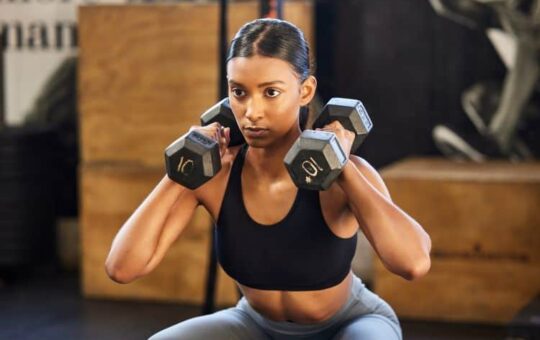
Squats strengthen your legs and glutes. Stand with your feet approximately shoulder-width apart, bend your knees, and lower your hips as if sitting in a chair. Return to standing with controlled movement.
2. Push-Ups
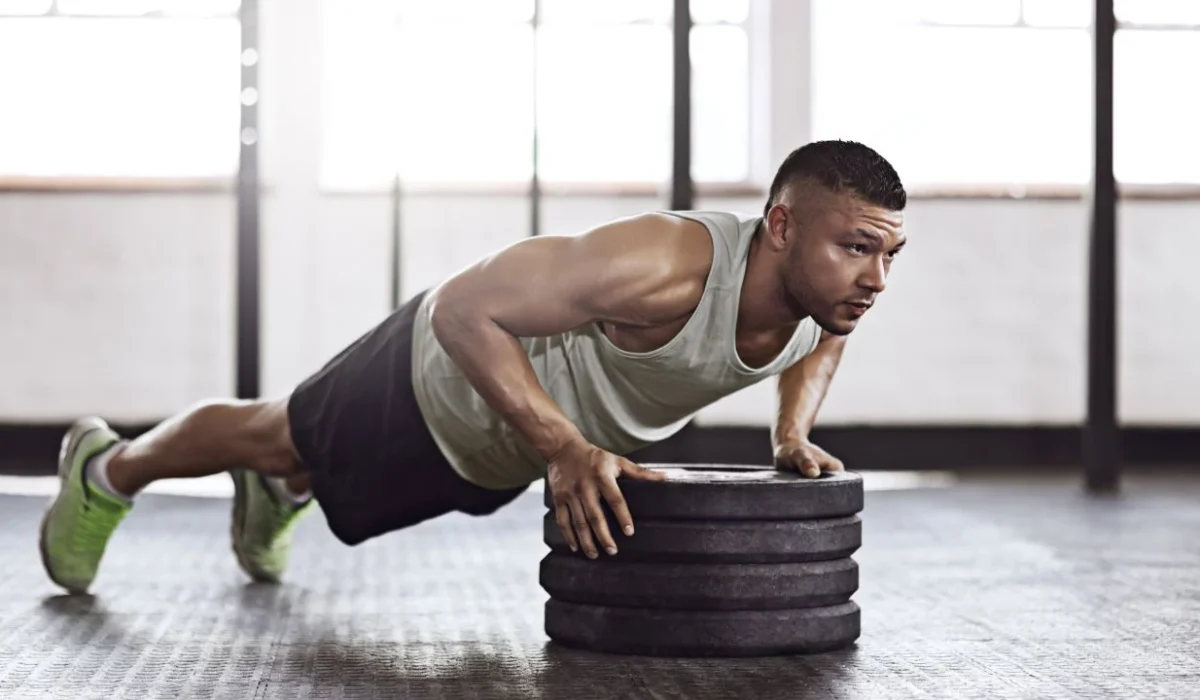
Push-ups target your chest, shoulders, and triceps. Beginners can start with wall push-ups or incline push-ups before progressing to traditional push-ups.
3. Lunges
Lunges help strengthen your legs and improve balance. Step forward with one foot, lower your body comfortably, and return to the starting position. Repeat on the other side.
4. Planks
Planks strengthen your core muscles. Support your body using your forearms and toes while keeping your body aligned.
5. Glute Bridges
Lie on your back with your knees bent and feet flat on the floor. Lift your hips gently, squeeze your glutes, and lower your body slowly.
6. Bird Dogs
Start on your hands and knees. Extend one arm and the opposite leg while maintaining a stable position. Return to the starting position and switch sides.
Tip: Start with easier variations and focus on proper movement before increasing the number of repetitions.
4. Warm Up Before Every Workout
A proper warm-up helps prepare your body for physical activity.
Instead of immediately starting challenging exercises, spend around 5–10 minutes moving gently.
Some simple warm-up activities include:
- Marching in place.
- Arm circles.
- Shoulder rotations.
- Gentle squats.
- Hip rotations.
- Light walking.
These movements gradually prepare your muscles and joints for exercise.
Tip: Your warm-up should feel comfortable and controlled. Avoid forcing your body into uncomfortable movements.
5. Follow a Simple Beginner Bodyweight Workout
Once you’ve learned the basic exercises, you can combine them into a simple full-body routine.
Here’s an example of a beginner-friendly workout:
| Exercise | Sets | Repetitions |
|---|---|---|
| Bodyweight Squats | 2 | 10–12 |
| Wall or Incline Push-Ups | 2 | 8–10 |
| Reverse Lunges | 2 | 8 per leg |
| Glute Bridges | 2 | 12 |
| Bird Dogs | 2 | 8 per side |
| Plank | 2 | 15–20 seconds |
Rest for around 60–90 seconds between sets, or longer if needed.
You can adjust the repetitions according to your current fitness level. The goal is to complete each exercise with good technique rather than rushing through the routine.
6. Create a Weekly Bodyweight Workout Schedule
Consistency is one of the most important parts of improving your fitness.
Instead of exercising intensely every day, create a balanced schedule that includes strength training, light activity, and rest.
Here’s a simple example:
| Day | Workout |
|---|---|
| Monday | Full-body bodyweight workout |
| Tuesday | Walking or light cardio |
| Wednesday | Rest or gentle stretching |
| Thursday | Full-body bodyweight workout |
| Friday | Walking and mobility |
| Saturday | Optional light workout |
| Sunday | Rest and recovery |
Beginners can start with two or three strength-training sessions per week.
As your fitness improves, you can gradually adjust your workout frequency and exercise difficulty.
Tip: Choose workout days that fit your lifestyle. A realistic schedule is easier to maintain than an overly demanding one.
7. Focus on Proper Exercise Form
Doing more repetitions doesn’t always mean you’re getting a better workout.
Proper technique is important because it helps you perform exercises effectively and reduces unnecessary strain.
Keep these basic principles in mind:
- Move slowly and with control.
- Maintain a stable body position.
- Avoid rushing through repetitions.
- Use a comfortable range of motion.
- Breathe naturally during exercises.
- Stop if you experience sharp or unusual pain.
If a movement feels too difficult, choose an easier variation.
For example, you can replace traditional push-ups with wall push-ups until you develop enough strength.
Tip: Quality movements are more valuable than completing a large number of repetitions with poor form.
8. Gradually Make Your Workouts More Challenging
As your body becomes stronger, your regular exercises may start feeling easier.
This is a good time to gradually increase the challenge.
You can improve your bodyweight workouts by:
- Increasing repetitions.
- Adding another set.
- Holding a plank for longer.
- Improving movement control.
- Choosing a more challenging exercise variation.
- Reducing unnecessary assistance when appropriate.
For example, once wall push-ups become comfortable, you can progress to incline push-ups and eventually traditional push-ups.
Make changes gradually and give yourself enough time to adapt.
Tip: Don’t rush into advanced exercises. Build a strong foundation before increasing difficulty.
9. Support Your Workouts With Proper Nutrition and Recovery
Exercise is only one part of a healthy fitness routine.
Your body also needs balanced nutrition, hydration, and enough sleep to recover.
Include a variety of nutritious foods in your daily meals, such as:
- Eggs, fish, and chicken.
- Beans and lentils.
- Milk and yogurt.
- Fruits and vegetables.
- Whole grains.
- Nuts and seeds.
Protein is especially important for maintaining and repairing muscle tissue.
Also, aim for around 7–9 hours of sleep if you’re an adult.
Give your muscles enough time to recover between challenging strength-training sessions.
Tip: Avoid exercising intensely when you’re exhausted or experiencing unusual muscle pain.
10. Track Your Progress and Stay Consistent
One of the easiest ways to stay motivated is to keep track of your workouts.
You don’t need a complicated fitness application. A simple notebook can help you record your progress.
Write down:
- Which exercises you completed.
- How many repetitions you performed.
- How long you held each plank.
- How difficult the workout felt.
- Which exercises are becoming easier.
Review your progress every few weeks.
You might notice that you can perform more squats, hold a plank longer, or complete push-ups with better technique.
Celebrate these small improvements because they show that your efforts are paying off.
Tip: Focus on your own progress instead of comparing your fitness journey with someone else’s.
Final Thoughts
Bodyweight workouts are an excellent way to begin your fitness journey without expensive equipment or complicated gym routines.
By starting with basic exercises, learning proper form, following a balanced schedule, and gradually increasing difficulty, you can build strength and improve your overall fitness.
Remember that consistency matters more than perfection. You don’t need to complete a long workout every day to make progress.
Start with a few simple exercises, listen to your body, and give yourself time to develop better habits.
Your fitness journey doesn’t require a gym membership. It starts with one workout, one small improvement, and the decision to keep going.